Types of Skylights: Which One Is Right for Your Home?

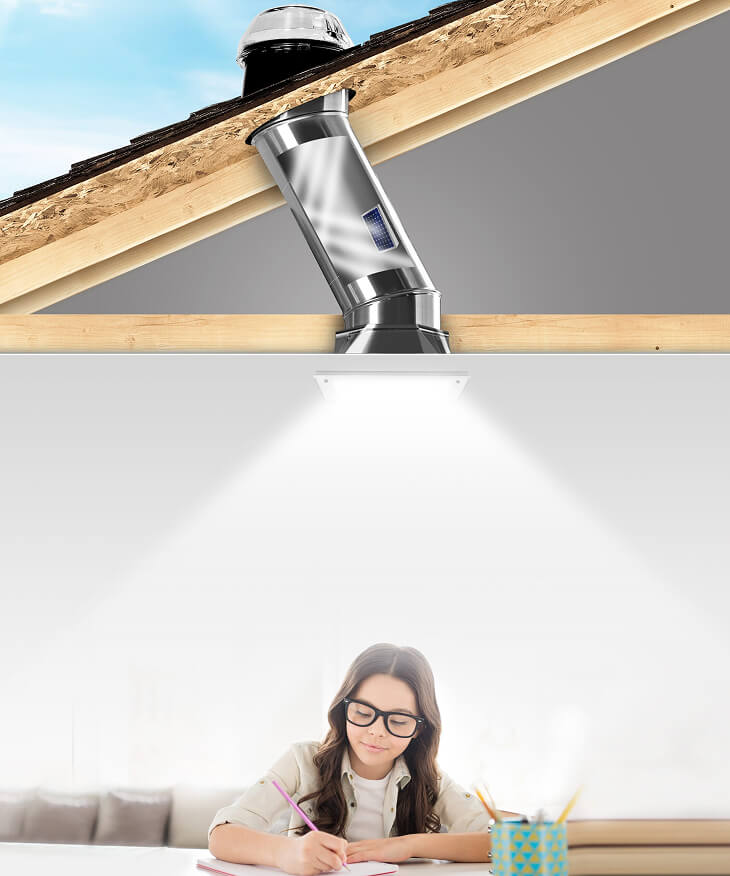
Girl At Desk with Solatube Skylight e1688067677451 scaled 1 1
hse skylight roof 3 1

There are two main ways to bring natural light into a room: tubular skylights and traditional skylights. They solve the same problem – a dark room that needs daylight – but work very differently, and one is usually the clear better fit depending on your space, budget, and goals.  

As the company that invented tubular daylighting technology over 30 years ago and installed more than 5 million systems worldwide, we’ve helped homeowners make this exact decision for decades. Here’s how to tell which one is right for you.

First, which situation are you in?

I already have a skylight.

It's aging, leaking, or making the room too hot or cold. You're looking to replace it with something that performs better.

I want to add daylight to a room.

There's no skylight there now. You're deciding how to get natural light into the space. The comparison below is for you.

Adding daylight to a room:
Tubular Skylights vs. A New Traditional Skylight

Best for

Closets, hallways, bathrooms, laundry rooms, garages, and any interior room without direct roof access; plus kitchens, living rooms, and bedrooms where you want light without heat gain

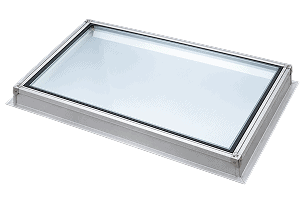
Rooms directly under the roofline where seeing the sky matters — typically kitchens, living rooms, and primary bedrooms

Reaches interior rooms

Yes — flexible tubing routes around framing, ducting, and attic obstacles

No — requires a direct, unobstructed path to the roof

Installation time

About 2 hours. No framing, drywall, painting, or structural changes

Significantly more involved — a larger roof opening, framing and drywall work, often permits and multiple trades

Thermal performance

Excellent. The tube design blocks most solar heat gain and reduces winter heat loss

Standard skylights transfer significant heat in summer and cold in winter.

Replacing an existing skylight? Our HSE Performance Series substantially improves on this.

View of sky

No. Diffused daylight only

Clear glass: yes.
Acrylic and white glass: no

Leak risk

Very low. Round, seamless dome with zero-seam stamped flashing; debris slides off rather than collecting

Higher. Flat surfaces collect debris and trap water, and multiple flashing seams expand and contract over time

Typical cost

$ (lower)

$$–$$$ (higher, varies by size/glass)

Typical cost installed

$900 – $1,500 depending on size, run length, and accessories
$3,000 – $5,500

Tubular Skylights
(Solatube Daylighting Systems)

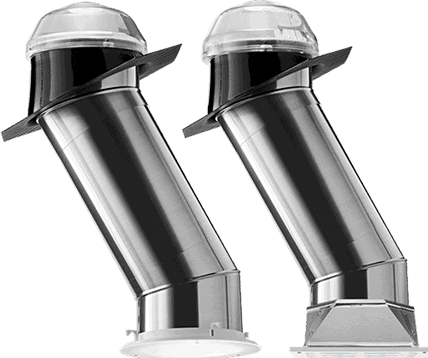
Tubular skylights use a rooftop dome to capture sunlight, then channel it through a highly reflective tube directly into the room below. Because the tube can bend and route around obstacles in the attic, they work in spaces a traditional skylight physically can’t reach – closets, hallways, interior bathrooms, laundry rooms.

They install in about 2 hours with no structural modifications, and because there’s no direct glass opening to the outside, they’re virtually leak-proof and let in very little unwanted heat or cold – a real advantage in warm and cold climates.

Best if you want: natural light in a room without a view, minimal installation disruption, and the lowest long-term maintenance/leak risk.

Traditional Skylights

Already have a skylight? We make it perform better.


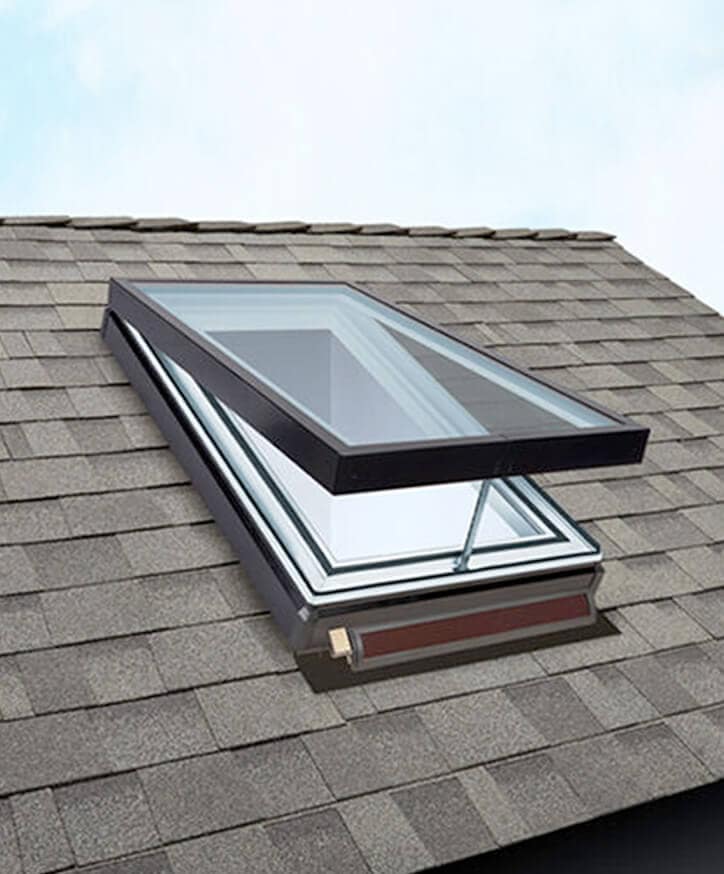
A traditional skylight gives you something a tubular system can’t: an actual view of the sky. If your home already has one and it’s aging, leaking, or driving your energy bills up, the answer usually isn’t removing it — it’s replacing it with a better unit.


Our HSE Performance Series is built specifically for the weaknesses older skylights develop. Energy Star–rated glass manages heat gain and loss. Advanced flashing and sealing address the leak points that show up as flashing ages and seams work loose.


We also supply Solatube skylights directly through our showrooms for contractors and homeowners handling their own installs.


Best if: you have an existing skylight you want to keep but want it to stop costing you in heat, cold, or leaks.

How to Decide the Right Option

Do you already have a skylight that's leaking, aging, or making the room uncomfortable?
→ Skylight replacement. Our HSE Performance Series is built for exactly this.

Is the room directly under the roof, and do you want an actual view of the sky?
→ Traditional skylight.

Is it an interior room (such as closet, hallway, bathroom, laundry) with no direct path to the roof?
→ Solatube. It's the only option that physically reaches these spaces.

Do you want the fastest, least disruptive install?
→ Solatube. About two hours, no framing or drywall in most applications.

Is energy efficiency the priority?
→ Solatube. It brings in natural light while minimizing summer heat gain and winter heat loss.

Not sure, or need both?
→ Many homes use both. Solatube in interior rooms, a skylight in the kitchen or living room. A free in-home consultation maps out what each room actually needs.

Why Choose Solatube Home


30+ years pioneering tubular daylighting technology

5 million+ installations worldwide

Certified installation consultants, factory-trained

Skylight FAQs

Should I replace my old skylight or switch to a tubular skylight?

It depends on the room. If you value the view and the skylight is in a room directly under the roof, replacing it with a better-performing unit is usually the right call. If the room doesn’t need a view and you’re mainly after light and lower energy costs, a Solatube is the lower-cost, lower-maintenance option. Many homeowners do both, in different rooms.

Can I have both types of skylights in my home?

Absolutely. Many homeowners use tubular skylights in interior rooms like closets and hallways, and traditional skylights in larger rooms like kitchens or living rooms where a view is part of the appeal.

Do skylights leak?

Tubular skylights have an extremely low risk of leaking because of the round, seamless design allows debris to slide off, while zero seam stamped flashing minimizes expansion, contraction, and deterioration over time. Traditional skylights have flat surfaces that can collect debris and trap water, while multiple flashing seams may expand, contract, and deteriorate over time – increasing the likelihood of leaks over time.

Can I install a skylight in a room with no direct roof access?

Yes — that’s exactly what a tubular skylight is built for. The flexible tubing can route around obstacles in the attic to bring light to interior rooms a traditional skylight can’t reach.

Which type of skylight is cheaper?

Tubular skylights are generally the lower-cost option, since installation takes about 2 hours with no structural changes. Traditional skylights cost more due to the larger roof opening and framing work involved.

What’s the difference between a tubular skylight and a traditional skylight?

A tubular skylight uses a small rooftop dome and reflective tubing to deliver diffused light without a direct view of the sky. A traditional skylight is a full glass window in the roof, giving a direct view but requiring more structural work to install.

Still deciding? You don't have to figure it out alone.

A free in-home consultation covers both options, room by room, so you get the right skylight for every space — not just a one-size-fits-all answer.

Low Monthly Payments Available
serviceicons

Add Natural Light & Fresh Air to Your Home

Save Up To $500 on Your Installation

No rebate forms. No waiting. The discount is applied immediately!

Schedule Free Consultation Today

"*" indicates required fields

We’ll reach out within 24 business hours.

Add Natural Light & Fresh Air to Your Home

Save Up To $500 on Your Installation

No rebate forms. No waiting. The discount is applied immediately!

Schedule Free Consultation Today

A couple cooking in a kitchen underneath a solatube tubular skylight

"*" indicates required fields

We’ll reach out within 24 business hours.